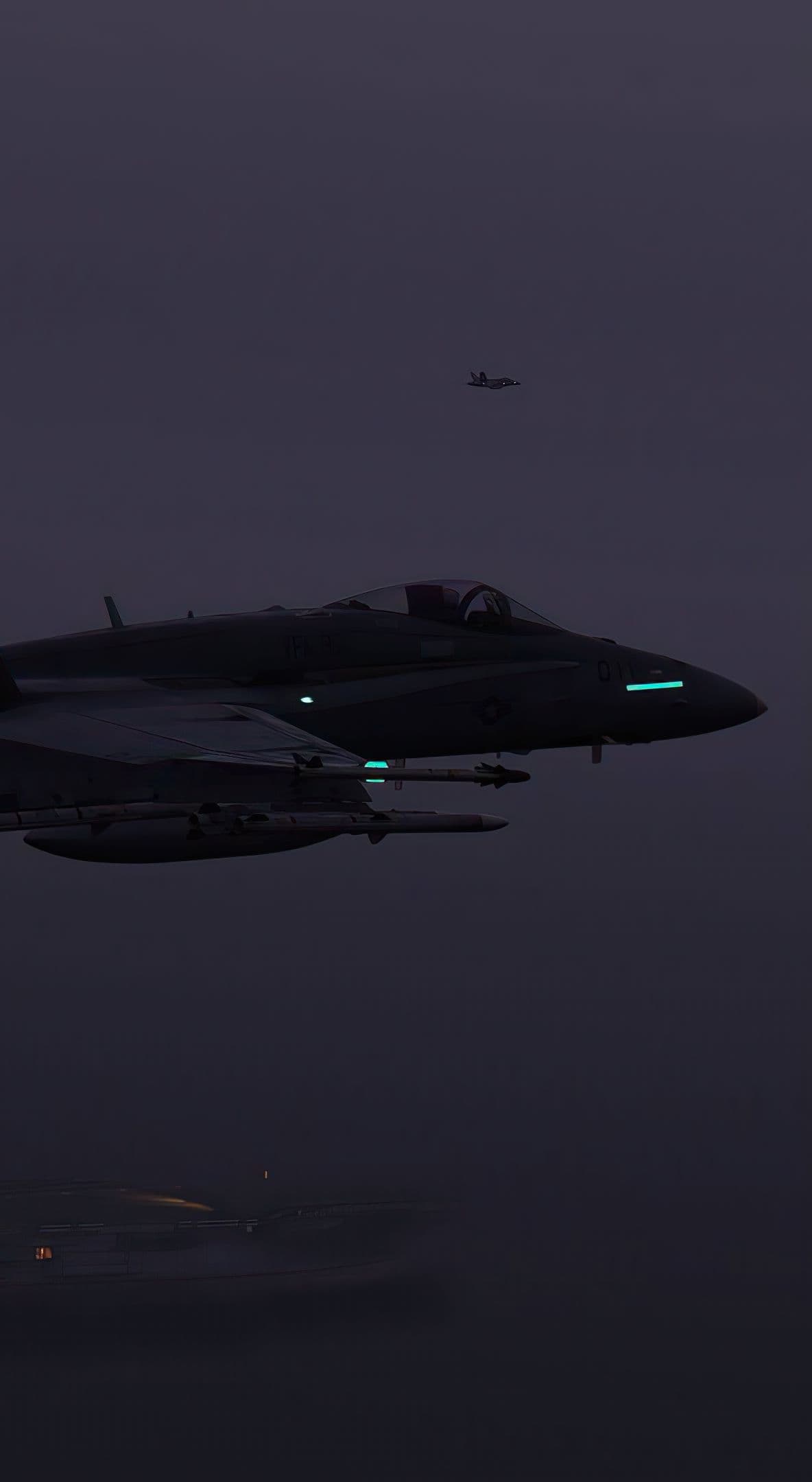
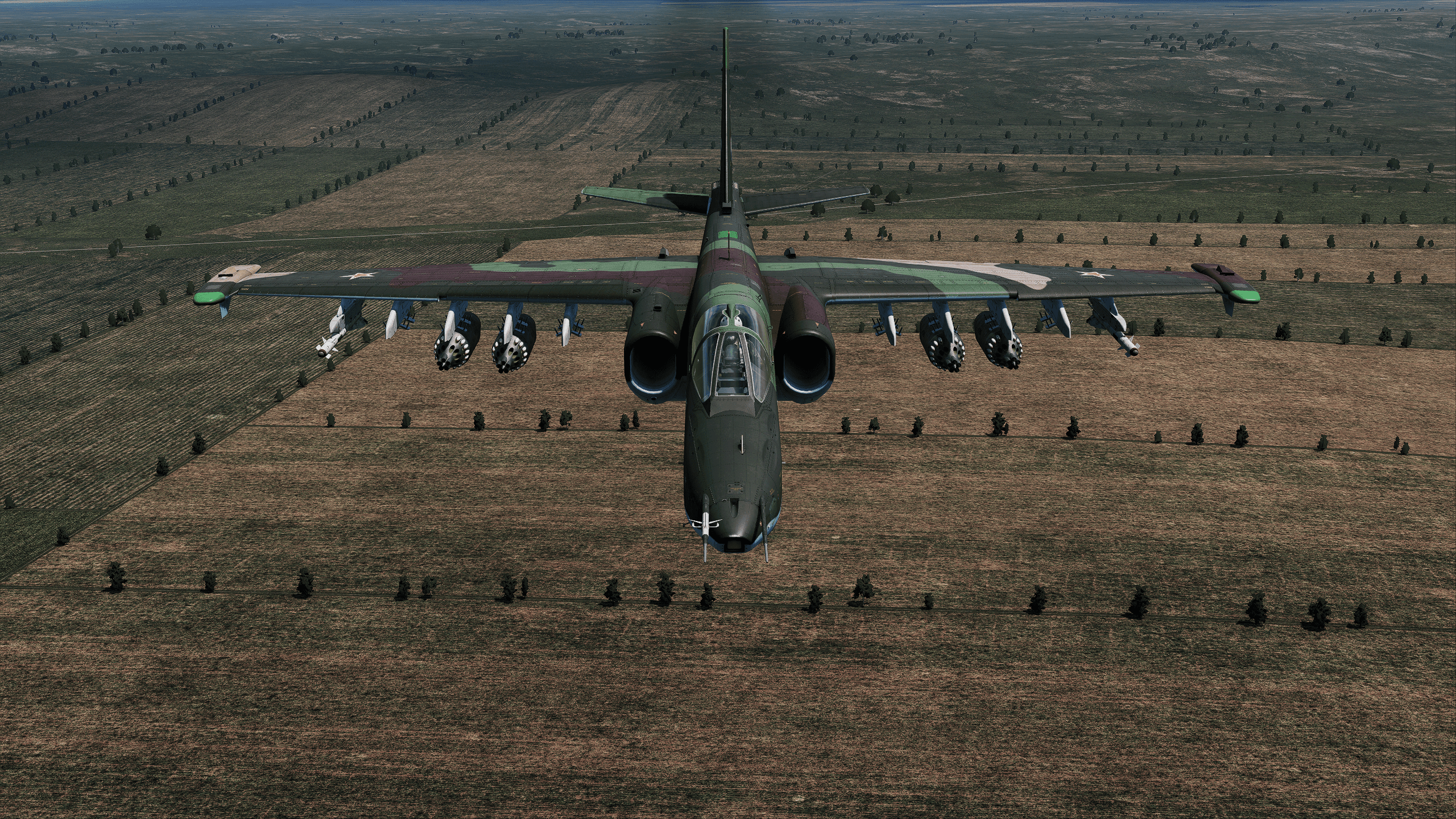

U.F.O.S - “всего лишь 1 раз в год”.
EventВ результате гражданской войны в Йемене при поддержке проиранских сил, хуситы одолели правительственные войска и установили полный контроль над страной, получив в свои руки ключевые порты и ресурсы. Установив жёсткий контроль над Баб-эль-Мандебским проливом и введя неподъёмные пошлины, де-факто блокировав Красное море, они спровоцировали коллапс глобальных торговых путей.
Воспользовавшись хаосом и имея трофейное оружие, а также продолжая получать современные технологии от союзников, руководство Йемена решило нанести удар по своему главному противнику — ОАЭ.
Проведя масштабные кибератаки и диверсии внутри эмиратов, хуситы дезорганизовали систему обороны. Вслед за этим последовали массированные ракетные и дроновые удары по приграничным укреплениям и аэродромам. Под прикрытием этой атаки, десантные группы, замаскированные под гражданские экипажи на грузовых судах, высадились в портах и около ключевых аэродромов — Аль-Дафра, Аль-Айн и Фуджейра. Благодаря фактору внезапности и внутреннему саботажу, им удалось захватить эти объекты, завладев при этом значительным количеством исправной техники ВВС и ВМС ОАЭ (включая многоцелевой фрегат), которая была спешно введена в строй с помощью иностранных специалистов.
ОАЭ запросили срочную помощь. США направили в Персидский залив авианосную ударную группу.
Иран, оказавшийся в дипломатической ловушке из-за авантюры своих бывших союзников, пошёл на беспрецедентный шаг. Чтобы спасти свою экономику и не быть втянутым в войну, он под международным давлением согласился на временное размещение авиационных групп коалиции на своей территории для проведения операции по «принуждению к миру». Это позволило американской и союзной авиации использовать иранские аэродромы Jiroft, Bandar-e Jask в качестве передовых баз.